01
Positioning & Niche
Construct and defend an original market position, naming the niche you own and what you will be deliberately bad at in order to hold it.
You leave withA Positioning PackCraig Baute · Creative Density · DenSwap
Advanced operator education
The advanced education programme the industry has always needed.
A ten-month cohort programme for coworking operators and their senior leadership teams. Built by founder's who have delivered coworking at scale. Every module is taught by a specialist in the field, real industry practitioners, anchored in a real operating story.
COHORT ONE STARTS
18 January 2027Applications open nowShape
10 months · 10 modulesDelivery
Live & onlineTuition
USD 8,500// 01 Admission
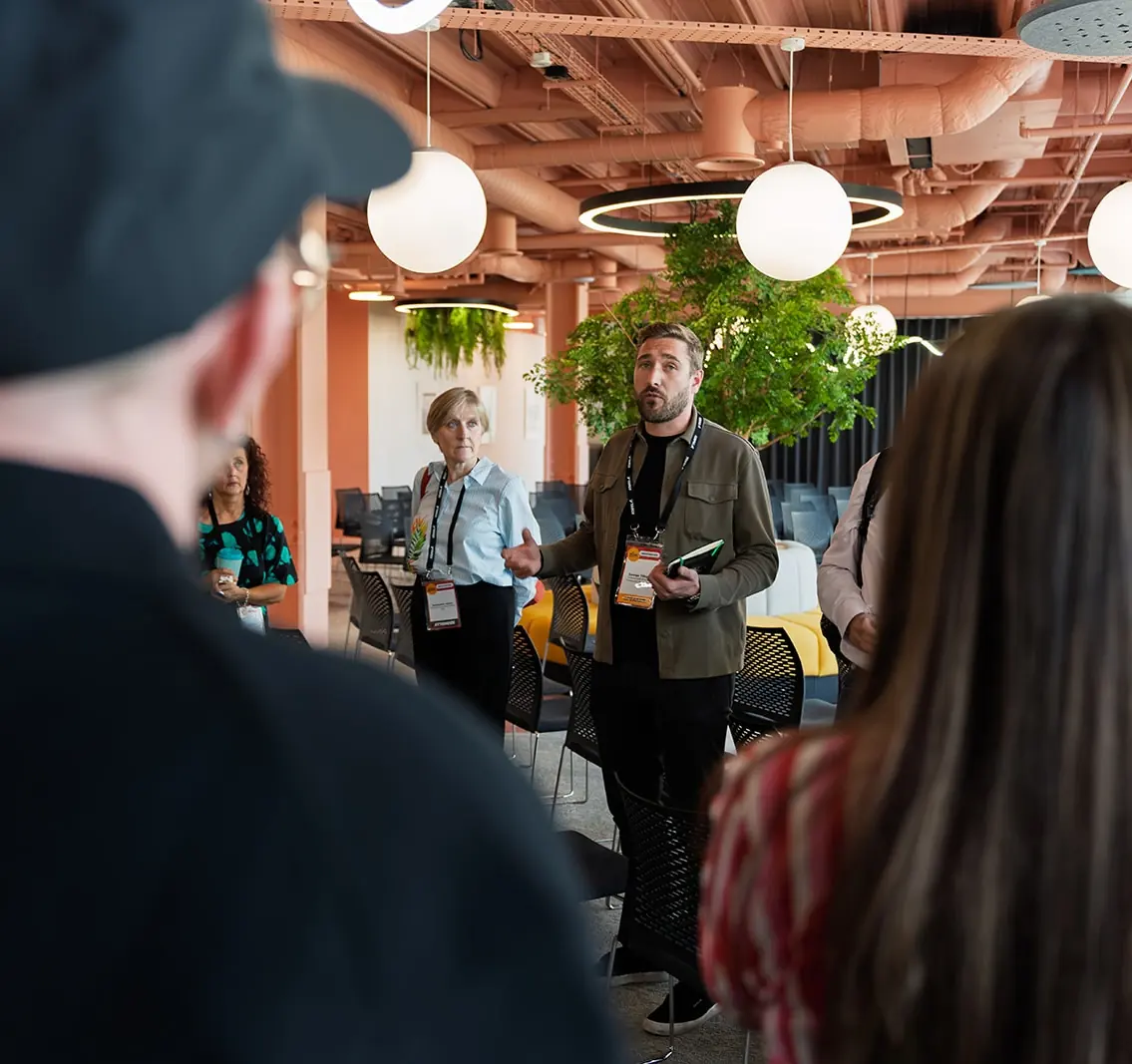
This is not an introduction to coworking, this is a course that aims to deliver industry leading best practice. Entry is selective, and the cohort is built out of people who can bring these learning to life in a business.
// 02 Delivery
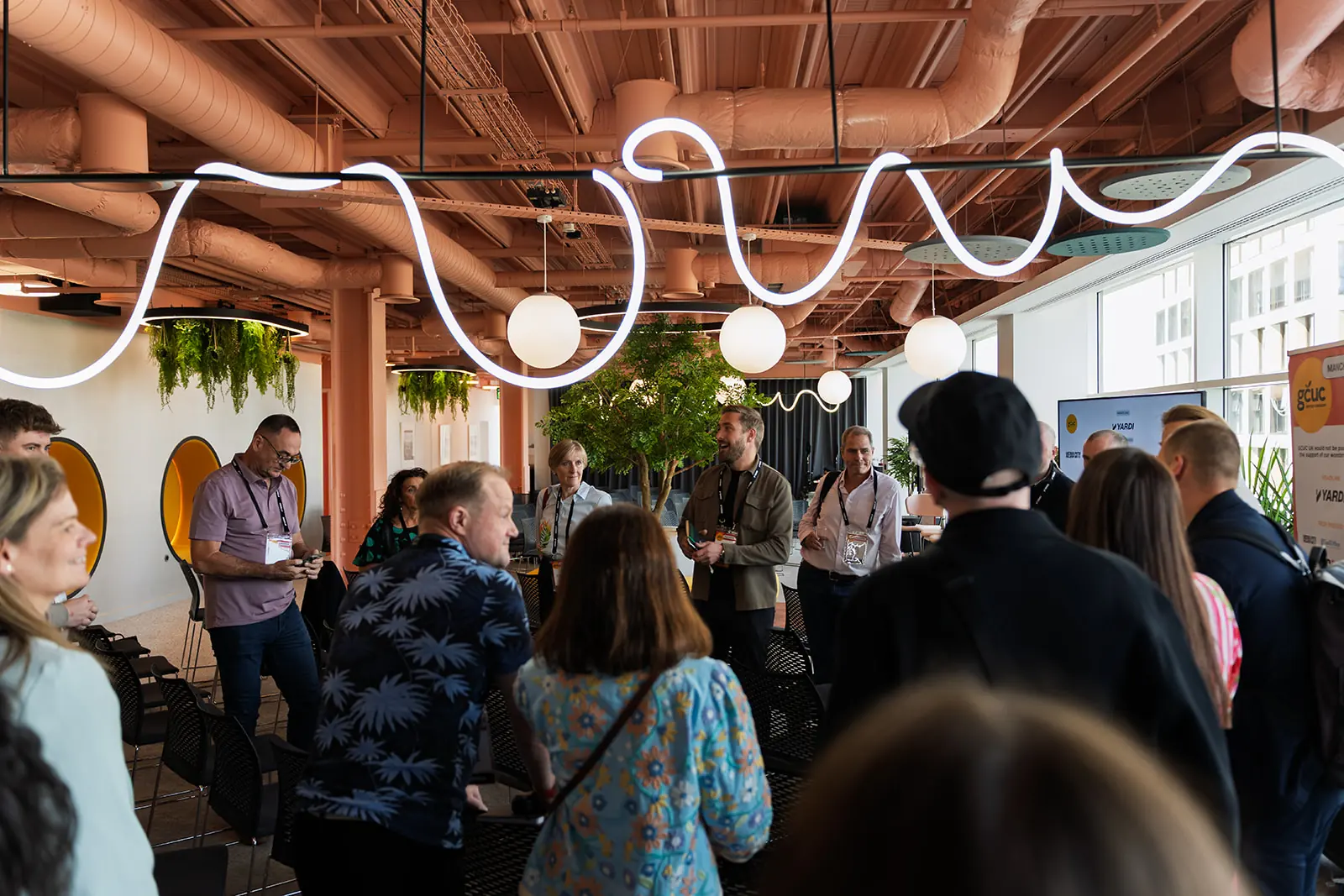
One module a month, for ten months. We keep a consistent rhythm, so it fits around the business you are still running.
Two x two-hour sessions in the same week, taught by the module lecturer. Sessions are interactive and based on real-world case studies and war stories.
6-10 hours on your own space. Not theoretical exercises — the actual positioning, journey map or model your business is missing.
A forum with the same lecturer, held two-weeks after your core module. It's part clinic to help with your work and part spaced repetition to cement learning.
The artefact from each module is filed. By the end of the program you have Ten of them which for your capstone.
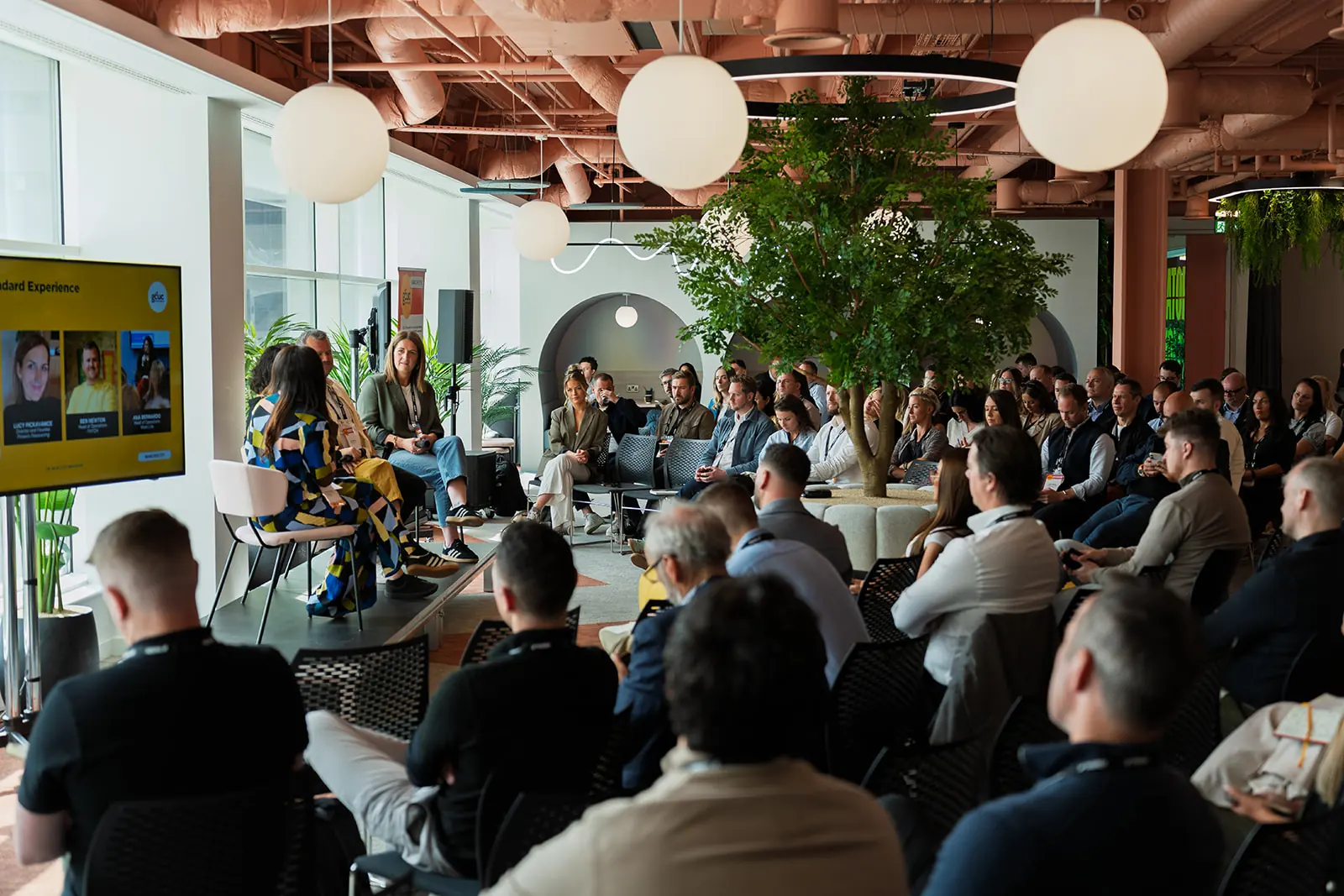
Notional hours across the ten months. Around five contact hours per module, plus enrichment lectures means over fifty five hours of tuition. Plus accountability group calls, guest lectures and the independent work developing you capstone. The real learning happens when you apply what you've learned in your business.
// 03 Curriculum
The sequence is deliberate: you cannot price what you have not positioned, and you cannot model a business whose entity structure is still undecided. Each module is anchored in a real operating story and ends in a real artefact.
Construct and defend an original market position, naming the niche you own and what you will be deliberately bad at in order to hold it.
Turn that position into a pipeline built on the personas your space already attracts. Personas data-backed from sales and front-desk evidence.
Run a reliable enquiry-to-close process, price to the value of the inventory, and extract the ancillary yield your space already supports. Learn how to align individual incentives with the business
Read floor plates as a product portfolio. Understand interior design through the lens of revenue, retention and cashflow risk.
Design both a team member and a customer journey that deliver the on your brand promise consistently and keep running when you are not in the building.
There's both a commercial and human case for community. Learn both and also how to spot churn in member behaviour weeks before anyone gives notice.
Reason through the whole tech stack. Understand best practice system design in the new world of AI. And get the hard-to-reverse infrastructure decisions right before the fit-out.
Structure the group so that if one location fails it fails alone and your members still get their deposits back.
Work out which of your own numbers are lying to you, which metrics you can use to steer your business and how to generate healthy profit while delighting your customers.
How to find, negotiate, structure and defend the transaction — management agreements, joint ventures, fundraising, acquisition and exit. True Art.
AI runs through every module. Where it pays to implement in your operation, where it must not go, and how to tell when a vendor is selling nonsense.
Develop your own mental health, learn about leading healthy teams and healthy building communities. Forms part of the Induction and then threaded through the ten months.
// 04 Credential
The Coworking MBA sits at top of the Institute's Competency Framework. Assessment is authentic: every deliverable in each module is a real artefact you needed anyway, which means the assessment is the thing you paid to walk away with.
A professional credential for students upon successful completion of the program. Awarded on evidence of practice, not attendance.
// 05 Lecturers
Not academics and not consultants selling a framework. Every lecturer is an operator, founder or industry builder teaching the module they have lived and each brings the real operating story that anchors it.

Founded Creative Density in 2011; now co-runs DenSwap, producing feasibility studies and brokering space deals.
MODULE 01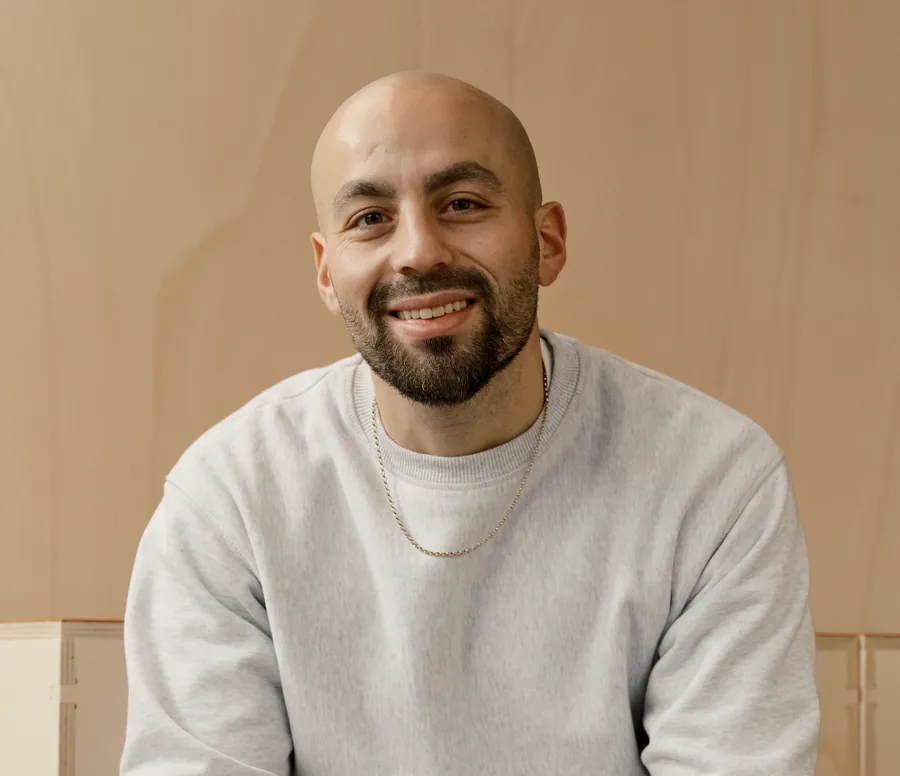
Founder of The Ready House and co-author of Culture Stores; a recurring GCUC UK keynote voice.
MODULE 02
Founder and CEO of Perfect Office Solutions and a GWA board director; built one of the region's largest independent groups on volume and ancillary revenue.
MODULE 03
Co-founded CreativeCubes.Co in 2016 and scaled it across three Australian states.
MODULE 04Lecturer to be announced.
MODULE 05
Founder and host of Coworking Convos and the Coworking Creators Lab; author of The Daily Co.
MODULE 06
A decade across coworking and workspace technology, with CEO roles on both sides; now runs growth and partnerships at GCUC.
MODULE 07
Operations leader at Industrious, across legal, international growth and employee operations; previously Chief Operating Officer of General Assembly.
MODULE 08
Chief Executive of Second Home, who led the senior-management buyout of the business in 2025.
MODULE 09
WeWork's founding Head of Community across its first two locations, then co-founder of Primary in New York; now runs SkyeCo.
MODULE 10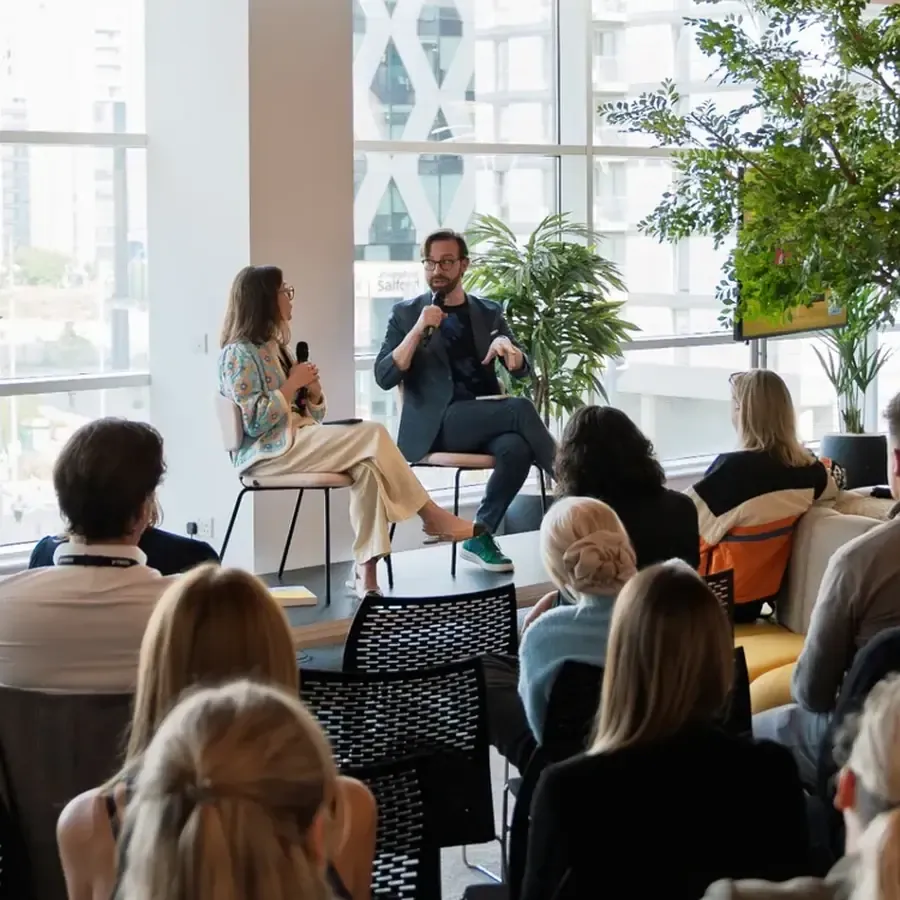
Built and exited a Southeast Asian coworking group in joint venture with CapitaLand. Author of Coworking Inc. and After Coworking.
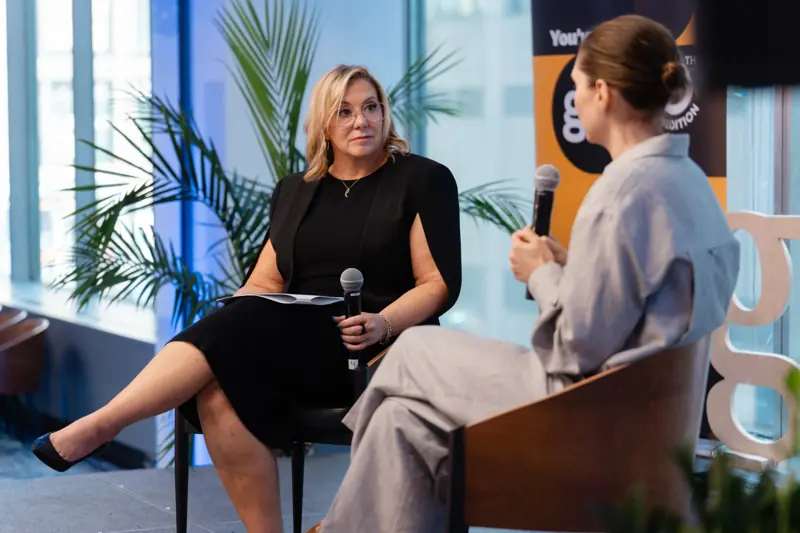
Founder of GCUC, the world's largest coworking conference series, and the first woman to successfully exit a coworking brand when she sold Link Coworking in 2019.
// 06 Behind it
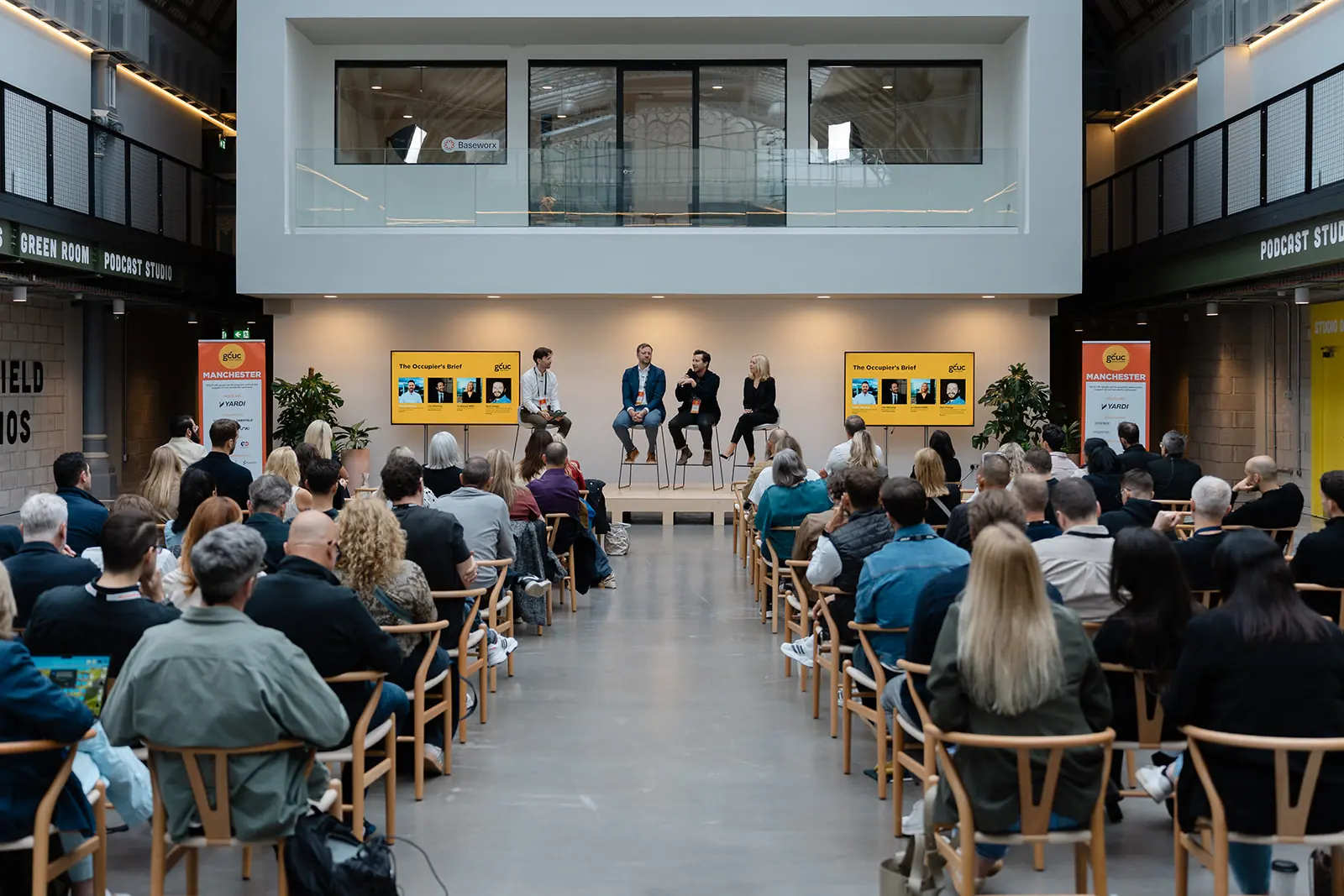
The Institute is built in partnership with GCUC — the conference network that has convened this industry on six continents for over a decade.
// 07 Apply
Selection runs both ways. The application confirms the programme is right for your business, and the call confirms your business is right for the cohort.
Two minutes: your name, business, city and role. The full application form arrives by email — no commitment at this stage.
Qualified applicants speak with the Institute before any decision is made. Bring all your questions and the difficult operating challenges you are currently sitting on.
Twenty minutes: about you, your operation, your role, the particular challenges in front of you now, and what you would need to be different in ten months for this to have been worth it.
An offer of a place in Cohort One, with the founding-cohort rate. Payment terms and the module calendar arrive with it. Installment plans are available to spread the cost.
// 08 Questions